If you are looking for a straightforward, equipment-free movement that delivers maximum physical conditioning, adding a daily core hold to your routine is a game-changer. Whether you are a seasoned athlete or someone starting a fitness journey, understanding the true benefits of doing planks everyday can transform how you approach physical health, posture, and core stability.
While crunches and sit-ups used to dominate workout routines, fitness experts now favor isometric holds like the plank because they engage the entire body simultaneously. In this comprehensive guide, we explore why consistency matters, what happens to your body when you hold a plank daily, and how to maximize your results safely.
What Makes the Plank Exercise Unique?
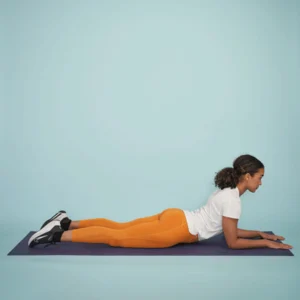
The plank is a static isometric exercise that requires zero movement while engaging multiple muscle groups at once, making it one of the most efficient ways to build deep core endurance and spinal stability without equipment.
Unlike dynamic exercises that involve repeating contractions, planks rely on continuous muscular tension. Originally rooted in ancient yoga traditions as Kumbhakasana (plank pose) and utilized in martial arts conditioning, the plank forces your nervous system to coordinate your shoulders, core, hips, and legs to fight gravity. Recognizing the comprehensive plank exercise benefits helps explain why physical therapists, trainers, and athletes consider it a non-negotiable part of daily training.
Top Benefits of Doing Plank Everyday
Consistency is the secret to unlocking the full potential of bodyweight training. Here are the primary reasons why incorporating the benefits of doing plank everyday into your schedule yields profound physical transformations.
1. Strengthens Core and Stabilizes the Spine
Your core is much more than just your “abs.” It is a complex muscular cylinder comprising the transversus abdominis, rectus abdominis, obliques, and glutes.
- Transversus Abdominis: Acts like a natural weightlifting belt, compressing your ribs and stabilizing your spine.
- Rectus Abdominis: Promotes spinal flexion and gives you that toned midsection.
- Obliques: Facilitate twisting, lateral bending, and rotational power.
Regular practice unlocks key plank benefits by strengthening these deep stabilizer muscles, protecting your lower back, and improving overall athletic performance.
2. Improves Posture and Alleviates Back Pain
Poor posture places uneven stress on your spinal discs and supporting ligaments. Because planks force your shoulders, back, and neck into proper alignment, practicing them daily trains your body to maintain an upright, neutral spine naturally. Furthermore, by strengthening your abdominal wall, planks reduce the burden on your lower back when walking, standing, or sitting for prolonged hours.
3. Boosts Metabolism and Calorie Burn
Many people wonder about the metabolic impact of isometric holds. While planks do not burn as many calories as high-intensity cardio, understanding the broader benefits of doing planks reveals that holding a plank engages more muscles than traditional crunches. As you build lean muscle mass through daily consistency, your resting metabolic rate increases, helping your body burn energy more efficiently throughout the day.
4. Enhances Flexibility and Joint Mobility
While primarily known as a strength movement, holding a plank stretches and challenges the connective tissue around your shoulders, collarbone, shoulder blades, hamstrings, and arches of your feet. Variations like the side plank or forearm plank with leg lifts further expand your range of motion, reducing muscular tension and improving functional mobility.
Plank Variations Comparison
Different plank variations target specific muscle groups and offer unique challenges. The table below compares the most popular types of planks to help you choose the best variation for your fitness goals.
| Plank Variation | Primary Target Muscles | Difficulty Level | Key Benefit |
| Forearm Plank | Transversus abdominis, rectus abdominis, shoulders | Beginner / Intermediate | Builds foundational core endurance and spinal alignment. |
| Side Plank | Obliques, hips, glutes, transverse abdominis | Intermediate | Targets love handles and enhances lateral stability. |
| Reverse Plank | Glutes, hamstrings, lower back, shoulders | Intermediate / Advanced | Counteracts sitting posture and strengthens posterior chain. |
| Plank with Leg Lift | Deep core, glutes, lower back, shoulders | Advanced | Increases core instability for maximum muscle activation. |
Can Planks Help Lose Belly Fat?
While spot reduction is a myth, incorporating planks into a calorie-controlled diet and active lifestyle can planks help lose belly fat by building core muscle and increasing overall energy expenditure.
Many individuals ask whether can planks help lose belly fat effectively. Planks tone and tighten the muscles underneath your subcutaneous fat layer, creating a flatter, firmer midsection as overall body fat decreases through proper nutrition and cardiovascular exercise. Daily core training also improves insulin sensitivity and metabolic health, supporting sustainable fat loss over time.
How to Do a Perfect Plank: Step-by-Step Guide
Proper form ensures maximum effectiveness and protects your joints from unnecessary strain. Follow these steps to perform a standard forearm plank correctly:
- Lie Face Down: Begin by lying flat on your stomach on an exercise mat.
- Position Your Forearms: Place your elbows directly beneath your shoulders, forearms facing forward, keeping your arms parallel.
- Engage Your Toes: Tuck your toes under and lift your hips off the floor, resting your body weight on your forearms and toes.
- Align Your Body: Keep your body in a straight line from your head down to your heels. Avoid sagging your hips or lifting your glutes too high.
- Engage Your Core: Squeeze your glutes, brace your abdominal muscles, and keep your gaze slightly forward on the floor to maintain neutral neck alignment.
- Breathe and Hold: Hold the position steadily while breathing deeply for 20 to 60 seconds.
Common Mistakes to Avoid During Planks
Even experienced fitness enthusiasts can fall into poor habits when fatigue sets in. Watch out for these common errors:
- Sagging Hips: Letting your lower back dip places excessive pressure on your lumbar spine, leading to back pain.
- Lifting Hips Too High: Pikes turn the plank into a resting shape, taking the tension off your abdominal core.
- Forgetting to Breathe: Holding your breath spikes blood pressure. Maintain steady, rhythmic breathing throughout your hold.
- Incorrect Elbow Placement: Placing elbows too far forward strains your shoulder rotator cuffs. Always keep elbows stacked directly under your shoulder joints.
Safety Precautions and When to Avoid Planks
While the benefits of doing plank everyday are substantial, certain conditions require caution or professional medical guidance:
- Shoulder Injuries: If you suffer from rotator cuff tears, bursitis, or chronic shoulder pain, modify or avoid floor planks.
- Pregnancy: Expectant mothers should consult their doctor before performing intense abdominal strengthening exercises.
- High Blood Pressure: Avoid holding your breath during isometric holds if you experience hypertension, as breath-holding elevates systolic blood pressure.

Conclusion: Experience the Benefits of Doing Plank Everyday
Mastering the benefits of doing plank everyday is one of the most efficient, accessible, and high-impact steps you can take toward total-body fitness. By spending just a few minutes each day holding a proper plank, you build a resilient core, improve posture, safeguard your lower back against injury, and enhance functional stability across every daily movement.
Frequently Asked Questions (FAQs)
How long should you hold a plank every day?
For most individuals, holding a proper plank for 30 to 60 seconds per set for a total of 2 to 3 sets is sufficient to build solid core strength. Quality of form always supersedes the duration of the hold.
Do planks help in reducing belly fat?
Planks strengthen and tighten your underlying core muscles. When paired with a balanced, calorie-conscious diet and regular cardio, they contribute significantly to trimming waist circumference and defining your midsection.
Can beginners do planks every day?
Yes, beginners can practice planks daily, provided they start with shorter durations (such as 10 to 15-second holds) or modified knee planks. Listening to your body and prioritizing form prevents injury and builds safe progression.
What muscles do planks work?
Planks are a compound bodyweight movement that primarily engages the transversus abdominis, rectus abdominis, internal and external obliques, erector spinae, glutes, quads, shoulders, and upper back.